
When temperatures fall, the outer leather of a jacket often gets most of the attention. People compare leather quality, thickness, style, and construction, but one feature can make an equally important difference: the lining.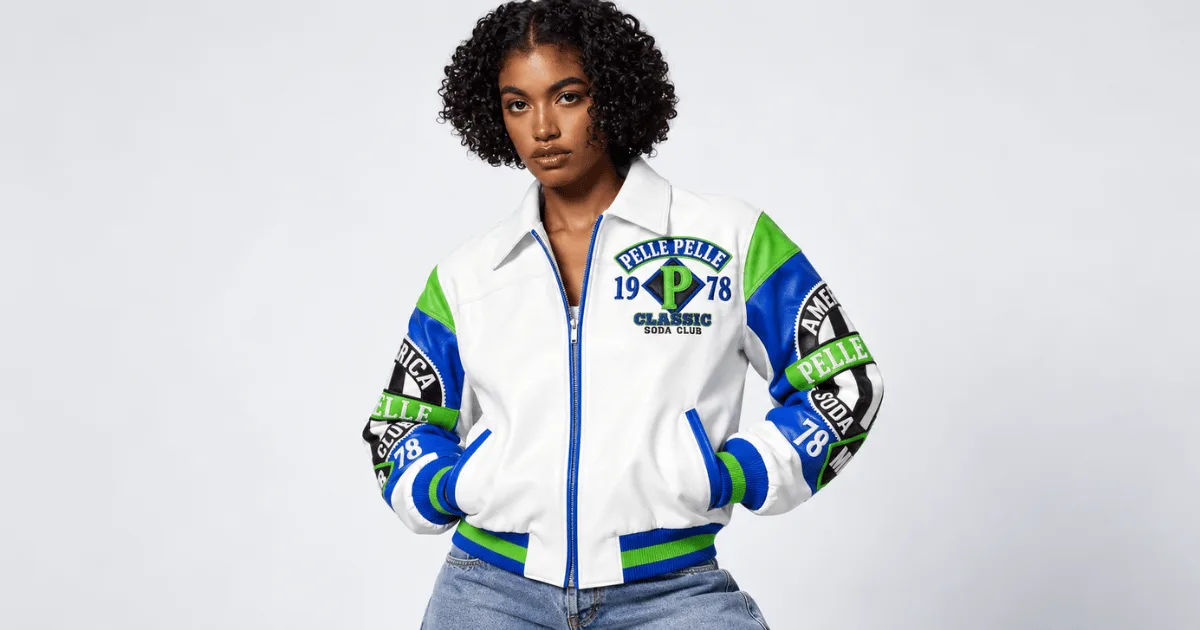
A leather jacket can look substantial on the outside and still feel surprisingly cold if its inner lining is thin or poorly designed. On the other hand, the right lining can turn a stylish leather jacket into a genuinely comfortable cold-weather layer.
Pelle Pelle Store understands that warmth is not determined by leather alone. The materials placed inside the jacket influence how effectively body heat is retained and how comfortable the jacket feels during everyday wear.
Why Leather Jacket Lining Matters
A jacket lining is the material attached to the inside of the leather shell. Its basic purpose is to make the jacket more comfortable to wear, but its role goes much further. The lining can influence insulation, moisture management, wind resistance, movement, and the overall warmth of the garment.
Leather naturally provides some protection against cold air and wind. However, leather itself is not necessarily a complete insulation system. Much of a jacket's ability to keep you warm comes from what is between your body and the outer shell.
A well-designed lining creates an additional barrier between your body and the cold environment. It can trap air, reduce heat loss, and make the jacket feel warmer without requiring an extremely thick leather exterior.
This is why two leather jackets made from similar leather can feel completely different when worn outside. One may have a lightweight polyester lining intended for transitional weather, while another may include fleece, quilted insulation, wool, or another warmer material.
How Lining Helps Retain Body Heat
Your body constantly produces heat. When you are exposed to cold weather, that heat naturally moves toward the colder surrounding environment. Clothing works by slowing this process.
A lining helps by creating an insulating layer. Some lining materials contain or trap small pockets of air. Because still air is relatively poor at transferring heat, these pockets can slow down heat loss.
The thickness and structure of the lining therefore matter. A smooth, very thin fabric may improve comfort but provide limited insulation. A thicker quilted lining can trap considerably more air and provide greater warmth.
However, thickness is not the only factor. The quality of construction matters too. A poorly fitted jacket can allow cold air to enter around the collar, cuffs, zipper, and waist, reducing the benefit of an otherwise warm lining.
This is one reason Pelle Pelle Store jackets can be evaluated as complete garments rather than simply as pieces of leather. The shell, lining, insulation, closures, and fit all work together.
Common Types of Leather Jacket Linings
Different lining materials provide different levels of warmth. Understanding their characteristics makes it easier to choose a jacket for a particular season.
Polyester Lining
Polyester is one of the most common lining materials in leather jackets. It is lightweight, smooth, durable, and relatively affordable.
A polyester lining is often chosen because it allows the jacket to slide comfortably over shirts and sweaters. It can also help reduce friction between the jacket and clothing underneath.
Standard polyester lining does not necessarily provide significant insulation. It is better suited to mild or moderate conditions unless it is combined with an insulating layer.
For spring, autumn, cool evenings, or indoor-to-outdoor use, a lightweight polyester lining can be practical. For freezing temperatures, however, additional insulation may be necessary.
Quilted Lining
Quilted lining is designed specifically to improve insulation. It usually consists of an insulating material sandwiched between fabric layers and stitched into sections.
The stitching keeps the insulation distributed throughout the jacket instead of allowing it to shift into one area. The resulting structure can trap air and reduce heat loss.
A quilted lining is often much warmer than a simple fabric lining. It can make a leather jacket suitable for colder autumn days and moderate winter conditions, depending on the insulation thickness and the rest of the garment.
Fleece Lining
Fleece is valued for its softness and warmth. It creates a comfortable interior while providing useful insulation.
A fleece-lined leather jacket can feel noticeably warmer than one with a thin polyester interior. Fleece fibers help trap air close to the body, reducing the rate at which body heat escapes.
The downside is that fleece can make a jacket bulkier. It may also feel warmer indoors, particularly when the temperature changes throughout the day.
For people who prioritize comfort during cold weather, fleece can be an excellent lining choice.
Wool Lining
Wool is naturally effective at insulation. It can retain warmth even when conditions become damp, although the performance depends heavily on the specific wool construction.
Wool linings can provide a substantial level of warmth and have a distinctive premium feel. They are especially useful for jackets designed for genuinely cold conditions.
However, wool may add weight and cost. Some people may also prefer a smoother synthetic lining against the skin or clothing.
Shearling Lining
Shearling is among the warmest lining options commonly associated with leather outerwear. It combines leather with a wool layer, creating a thick insulating interior.
The dense wool helps trap warm air while the leather exterior provides protection from wind. This combination can be highly effective in cold environments.
Shearling jackets are usually heavier and bulkier than lightweight leather jackets. They are therefore less suitable for mild weather but can be excellent for serious winter wear.
Does a Thicker Lining Always Mean More Warmth?
Not necessarily.
A thick lining generally has greater potential to provide insulation, but warmth depends on the entire jacket. The quality of the insulating material, its distribution, the fit of the jacket, and the construction of the outer shell all matter.
For example, a jacket with a thick but poorly distributed lining may have cold spots. A jacket with slightly less material but high-quality insulation may perform better.
The outer leather also matters. Leather thickness, density, treatment, and construction influence how effectively the shell blocks wind and cold.
The best approach is to think of warmth as a system rather than focusing on one measurement.
The Relationship Between Lining and Wind Protection
Wind can make cold weather feel considerably harsher. Even a moderately warm jacket can become uncomfortable if cold air moves freely through openings.
The lining itself does not necessarily make leather windproof. The outer shell, zipper, seams, cuffs, collar, and waist play major roles.
However, a properly constructed lining can reduce the effect of small air movements inside the garment. When combined with a dense leather exterior and secure closures, it contributes to a more protective overall design.
A high-quality jacket should therefore be assessed beyond the lining material alone. Look at how the entire garment is constructed.
How Lining Affects Comfort
Warmth is important, but comfort is equally significant.
A lining that is rough, sticky, or poorly finished can make a jacket unpleasant to wear. Smooth lining materials allow the jacket to move easily over sweaters and shirts.
The lining can also affect how easily you put the jacket on and remove it. This matters particularly when wearing layers.
A well-designed lining should allow comfortable arm movement without pulling excessively. It should also avoid creating unnecessary pressure around the shoulders and chest.
This is where Pelle Pelle Store can be useful as a reference point when considering leather outerwear. A jacket should not simply look warm; its interior construction should support comfortable everyday wear.
Lining and Layering for Winter
Even a warm leather jacket may not be enough for extremely cold temperatures on its own. Layering can significantly increase overall warmth.
A lightweight shirt can provide a basic first layer. A sweater, sweatshirt, or fleece layer can add insulation. The leather jacket then provides an additional protective shell.
The advantage of layering is flexibility. You can remove a sweater when you enter a heated building without having to change your entire outfit.
A moderately insulated leather jacket may therefore be more practical for daily use than an extremely heavy jacket. The right choice depends on your local climate and how much time you spend outdoors.
How the Lining Changes Seasonal Suitability
The lining can effectively determine which season a leather jacket is best suited for.
A thin polyester lining is generally more appropriate for spring and autumn. It provides comfort without excessive insulation.
A medium quilted lining can extend the jacket's usefulness into colder months. It can work particularly well when combined with a sweater or thermal layer.
Fleece, wool, and shearling linings are better suited to colder environments. These materials provide greater insulation but can become uncomfortable when temperatures rise.
When shopping for leather outerwear, it is therefore important to match the lining with your intended use.
A lightweight jacket may be ideal if you commute between heated buildings and cool streets. A heavily insulated design may be better if you regularly spend long periods outside.
Does Leather Color Affect Warmth?
Color can influence how much solar radiation a jacket absorbs, but this effect is generally less important than insulation and construction.
A dark leather jacket may become warmer when exposed to direct sunlight, while a lighter surface may absorb less solar energy. However, this does not replace proper insulation.
If your primary concern is cold-weather performance, focus first on the lining, insulation, fit, closures, and outer material rather than choosing a color based on warmth.
How Fit Works With the Lining
Fit has a surprisingly important relationship with warmth.
A jacket that is too tight may compress the insulating material and leave little room for warm air. It may also make layering difficult.
A jacket that is excessively loose can allow cold air to circulate inside. This can reduce comfort, especially around the waist and sleeves.
The ideal fit provides enough room for the layers you expect to wear while remaining close enough to limit unnecessary air movement.
Pay particular attention to the shoulders, chest, sleeves, cuffs, and collar. These areas can determine whether the jacket feels protective or drafty.
Lining Quality and Jacket Durability
The lining does not only affect warmth. It also influences how well the jacket performs over time.
A high-quality lining should withstand repeated movement, dressing, sweating, and friction. Weak stitching or fragile fabric can eventually cause tears, particularly around the shoulders and underarms.
The lining also protects the inside of the leather from direct contact with the wearer's clothing and body. This can help improve the overall wearing experience.
A durable jacket therefore requires both a strong outer shell and a dependable interior.
When comparing products from Pelle Pelle Store, consumers should consider construction details rather than judging quality only from photographs. Stitching, lining, hardware, and finishing can all affect long-term satisfaction.
How to Choose the Right Lining for Your Climate
Start by thinking about the temperatures you normally experience.
For mild winters, a lightweight lining may be sufficient, especially when you regularly wear sweaters underneath.
For moderate winter weather, quilted or insulated lining can provide a better balance between warmth and mobility.
For severe cold, look for substantial insulation, fleece, wool, or shearling construction. You should also consider whether the jacket has a secure collar, fitted cuffs, and a strong zipper.
If you frequently experience rain or snow, remember that warmth and weather resistance are different properties. A warm lining does not automatically make leather waterproof.
The best winter jacket is one that combines suitable insulation with practical protection from the weather.
Signs of a Warm Leather Jacket
There are several features that can indicate good cold-weather performance.
First, inspect the lining. Is it simply a thin smooth fabric, or does it contain visible insulation?
Next, check the collar. A higher collar can reduce exposure around the neck.
Look at the cuffs. Adjustable or fitted cuffs can reduce cold-air entry around the wrists.
The zipper also deserves attention. A strong, properly fitted closure can reduce drafts through the front of the jacket.
Finally, consider the length. A slightly longer jacket can provide greater coverage around the waist and hips than a short fashion-oriented design.
These features work together. A jacket with a good lining but poor closures may not feel particularly warm outdoors.
Caring for a Leather Jacket Lining
Proper care can help preserve the performance of the lining.
Avoid storing the jacket while it is damp. Moisture can affect both the leather and the interior fabric.
After wearing the jacket in wet conditions, allow it to dry naturally in a ventilated area. Avoid placing leather directly against intense heat because excessive heat can damage the leather.
Do not automatically machine-wash a leather jacket unless the manufacturer's instructions specifically allow it. Cleaning requirements vary according to leather type and lining construction.
If the lining becomes stained or develops an odor, professional leather cleaning may be safer than aggressive home cleaning.
Good maintenance protects the jacket's appearance and helps preserve its internal construction.
Can You Add Extra Warmth to a Leather Jacket?
In some situations, you can increase warmth without replacing the jacket.
A thermal base layer can add insulation without significant bulk. A wool sweater or fleece mid-layer can provide additional warmth.
You can also use scarves, gloves, and insulated trousers to reduce overall heat loss. There is little benefit in having an extremely warm jacket if your hands, neck, or legs remain exposed to cold air.
However, adding too many layers can make a fitted leather jacket uncomfortable. It is better to choose a jacket with enough room for sensible layering from the beginning.
A well-fitting jacket from Pelle Pelle Store can be particularly versatile when its design allows comfortable layering without restricting movement.
Common Mistakes When Buying a Warm Leather Jacket
One common mistake is assuming that thicker leather automatically means greater warmth. Leather thickness matters, but insulation and lining can be equally important.
Another mistake is ignoring the intended season. A fashion jacket with a lightweight lining may look substantial but still be designed for mild weather.
Some buyers also focus entirely on appearance. Style matters, but practical features determine how comfortable the jacket will be outside.
Ignoring fit is another problem. Even a heavily insulated jacket can perform poorly if it is excessively loose or too tight.
Finally, shoppers sometimes assume that a warm lining means complete weather protection. Insulation, water resistance, and wind protection are separate characteristics.
Conclusion
Leather jacket lining has a major influence on how warm a jacket feels because it helps manage heat loss between your body and the outer leather shell. The type, thickness, structure, and quality of the lining can change a jacket from a lightweight fashion layer into a useful cold-weather garment.
Thin polyester linings are practical for mild temperatures and transitional seasons. Quilted insulation provides more warmth without necessarily making a jacket excessively bulky. Fleece and wool can offer stronger insulation, while shearling provides some of the most substantial warmth available in leather outerwear.
Still, lining should never be considered in isolation. Leather thickness, jacket fit, collar design, cuffs, zipper, seams, length, and layering options all contribute to real-world performance.
When choosing a leather jacket, consider where and when you will wear it. If you need a jacket for cool evenings, a lightweight lining may be ideal. If you expect cold winter mornings, look for quilting or another insulating layer. For severe cold, heavier fleece, wool, or shearling construction may be more appropriate.
The most important lesson is simple: a leather jacket's warmth comes from the complete design, not merely the leather on the outside. A thoughtfully constructed lining can trap heat, improve comfort, support layering, and make the jacket much more practical in colder conditions. By paying attention to these details, shoppers can make a more informed decision and choose leather outerwear that matches both their style and their climate.
For anyone comparing leather jackets, Pelle Pelle Store can serve as a useful starting point for examining how outer leather, interior construction, insulation, and overall design come together. The right choice is ultimately the one that provides the warmth you actually need without sacrificing comfort or mobility.