
Leadership in residential care settings plays a vital role in ensuring quality care, safety, and dignity for residents.
From managing staff to building a culture of compassion, effective leadership shapes every part of a care home’s success.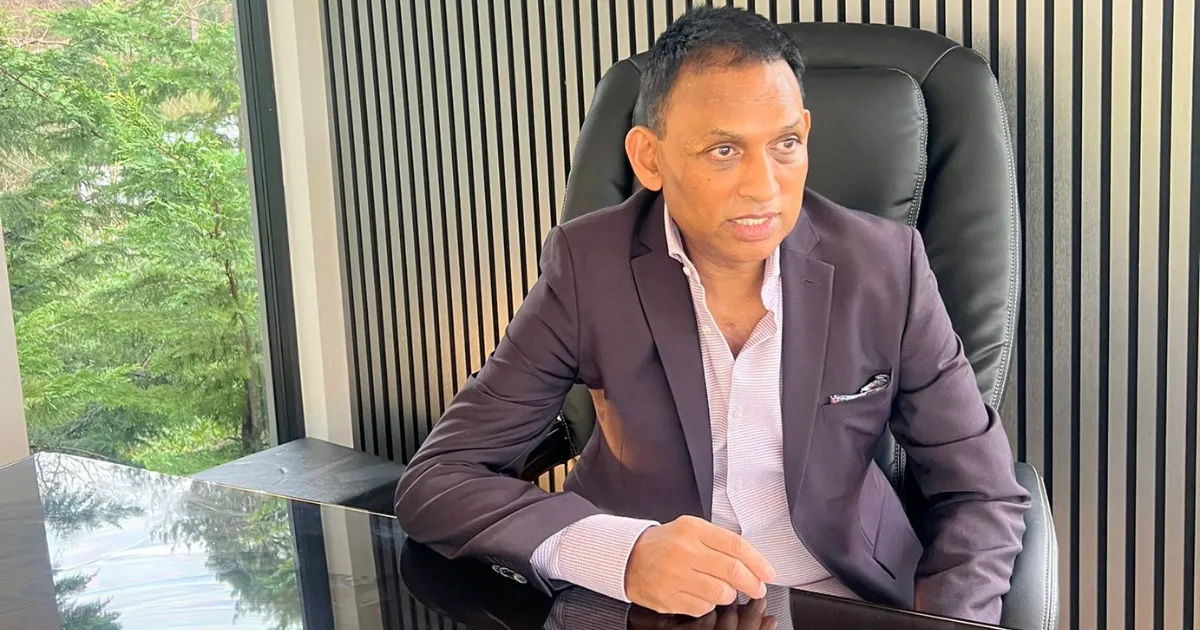
Sheth Jeebun healthcare operations management is a key concept that highlights how structured leadership and thoughtful planning can improve outcomes in care environments.
In this comprehensive guide, we will explore leadership practices, strategies, and real-world applications that support excellence in residential care.
Leadership in Residential Care
Leadership in residential care is not just about managing tasks. It is about guiding people, setting standards, and creating an environment where both residents and staff feel valued. Leaders must balance clinical knowledge with emotional intelligence.
Sheth Jeebun healthcare operations management focuses on integrating leadership with operational efficiency. This means ensuring that daily activities run smoothly while maintaining high-quality care standards.
Strong leaders in care homes must:
-
Communicate clearly
-
Show empathy
-
Make informed decisions
-
Support staff development
These qualities help create a positive environment for everyone involved.
The Role of Leadership in Quality Care
Quality care depends heavily on leadership. When leaders are engaged and supportive, staff perform better, and residents receive better care.
Sheth Jeebun healthcare operations management emphasizes that leadership directly impacts:
-
Resident safety
-
Staff satisfaction
-
Regulatory compliance
-
Overall care quality
Leaders set the tone. If they prioritize compassion and professionalism, staff are more likely to follow.
Key Leadership Styles in Residential Care
Different situations require different leadership styles. Effective leaders adapt their approach based on the needs of their team and residents.
Transformational Leadership
Transformational leaders inspire and motivate their teams. They focus on long-term goals and encourage innovation.
Sheth Jeebun healthcare operations management supports transformational leadership by promoting continuous improvement and staff empowerment.
Transactional Leadership
This style focuses on structure, rules, and rewards. It ensures that tasks are completed efficiently.
While useful, it must be balanced with empathy to maintain staff morale.
Servant Leadership
Servant leaders prioritize the needs of others. In care settings, this approach is highly effective.
Sheth Jeebun healthcare operations management aligns closely with servant leadership by emphasizing resident-centered care.
Communication as a Leadership Tool
Clear communication is essential in residential care. Leaders must ensure that information flows smoothly between staff, residents, and families.
Effective communication includes:
-
Daily briefings
-
Open-door policies
-
Active listening
Sheth Jeebun healthcare operations management highlights communication as a foundation for safe and efficient operations.
Poor communication can lead to errors, misunderstandings, and reduced quality of care.
Building a Positive Workplace Culture
A positive workplace culture improves both staff performance and resident satisfaction.
Leaders can build this culture by:
-
Recognizing achievements
-
Encouraging teamwork
-
Providing support
Sheth Jeebun healthcare operations management stresses the importance of a supportive environment where staff feel valued.
When staff are happy, they provide better care.
Staff Training and Development
Continuous training is essential in residential care. Leaders must ensure that staff have the skills they need.
Training areas include:
-
Clinical skills
-
Communication techniques
-
Emergency procedures
Sheth Jeebun healthcare operations management promotes ongoing education to maintain high standards.
Investing in staff development leads to better outcomes for residents.
Decision-Making in Care Settings
Leaders must make decisions quickly and effectively. These decisions can impact residents’ health and well-being.
Good decision-making involves:
-
Gathering information
-
Consulting with staff
-
Considering risks
Sheth Jeebun healthcare operations management encourages data-driven decisions to improve care quality.
Strong leaders remain calm under pressure and make thoughtful choices.
Managing Challenges in Residential Care
Residential care settings face many challenges, including staffing shortages, regulatory requirements, and resident needs.
Leaders must:
-
Stay adaptable
-
Solve problems quickly
-
Support their teams
Sheth Jeebun healthcare operations management provides a framework for handling challenges efficiently.
Resilient leadership ensures stability during difficult times.
Promoting Resident-Centered Care
Resident-centered care means focusing on the needs and preferences of each individual.
Leaders can promote this by:
-
Encouraging personalized care plans
-
Listening to residents
-
Respecting choices
Sheth Jeebun healthcare operations management supports this approach by aligning operations with resident needs.
This improves satisfaction and quality of life.
Ethical Leadership in Care Homes
Ethical leadership is critical in residential care. Leaders must ensure that all actions are fair, respectful, and transparent.
Key principles include:
-
Honesty
-
Accountability
-
Respect
Sheth Jeebun healthcare operations management emphasizes ethical practices as a core component of leadership.
Ethical leaders build trust with staff, residents, and families.
Technology and Leadership
Technology is becoming increasingly important in residential care. Leaders must understand how to use it effectively.
Examples include:
-
Electronic health records
-
Monitoring systems
-
Communication tools
Sheth Jeebun healthcare operations management integrates technology to improve efficiency and care quality.
Leaders must ensure that staff are trained to use these tools.
Teamwork and Collaboration
Care homes rely on teamwork. Leaders must foster collaboration among staff members.
Strategies include:
-
Regular meetings
-
Clear roles
-
Conflict resolution
Sheth Jeebun healthcare operations management highlights teamwork as essential for smooth operations.
Strong teams deliver better care.
Leadership and Regulatory Compliance
Care homes must follow strict regulations. Leaders are responsible for ensuring compliance.
This includes:
-
Maintaining records
-
Following safety guidelines
-
Meeting inspection standards
Sheth Jeebun healthcare operations management helps leaders stay organized and compliant.
Failure to comply can lead to serious consequences.
Emotional Intelligence in Leadership
Emotional intelligence is the ability to understand and manage emotions.
Leaders with high emotional intelligence:
-
Handle stress well
-
Support staff
-
Build strong relationships
Sheth Jeebun healthcare operations management recognizes emotional intelligence as a key leadership skill.
It helps create a positive and supportive environment.
Conflict Management
Conflicts can arise in any workplace. Leaders must address them quickly and fairly.
Steps include:
-
Listening to all sides
-
Finding common ground
-
Resolving issues respectfully
Sheth Jeebun healthcare operations management encourages proactive conflict management.
Effective resolution improves team harmony.
Time Management for Leaders
Leaders in residential care have many responsibilities. Good time management is essential.
Tips include:
-
Prioritizing tasks
-
Delegating responsibilities
-
Planning ahead
Sheth Jeebun healthcare operations management supports efficient scheduling and task management.
This ensures that all duties are completed effectively.
Supporting Staff Well-Being
Staff well-being is crucial for maintaining quality care.
Leaders can support staff by:
-
Providing breaks
-
Offering counseling
-
Encouraging work-life balance
Sheth Jeebun healthcare operations management emphasizes the importance of staff support.
Healthy staff provide better care to residents.
Leadership in Crisis Situations
Crisis situations require strong leadership. Examples include medical emergencies or pandemics.
Leaders must:
-
Stay calm
-
Communicate clearly
-
Take quick action
Sheth Jeebun healthcare operations management provides strategies for managing crises effectively.
Prepared leaders can minimize risks and protect residents.
Continuous Improvement in Care Settings
Improvement should be ongoing in residential care.
Leaders can:
-
Review performance
-
Gather feedback
-
Implement changes
Sheth Jeebun healthcare operations management promotes a culture of continuous improvement.
This ensures that care standards remain high.
The Future of Leadership in Residential Care
Leadership in residential care is evolving. Future leaders must be adaptable and innovative.
Trends include:
-
Increased use of technology
-
Focus on personalized care
-
Greater emphasis on staff well-being
Sheth Jeebun healthcare operations management will continue to guide leaders in adapting to these changes.
Conclusion
Leadership practices in residential care settings are essential for delivering high-quality, compassionate care. From communication and teamwork to ethical decision-making and crisis management, effective leadership touches every aspect of a care home.
Sheth Jeebun healthcare operations management provides a comprehensive framework that combines leadership principles with operational efficiency. By focusing on staff development, resident-centered care, and continuous improvement, leaders can create environments where both residents and staff thrive.
Strong leadership is not just about managing tasks. It is about inspiring people, building trust, and making a positive difference every day. As residential care continues to evolve, the importance of effective leadership will only grow.
Leaders who embrace innovation, empathy, and structured management practices will be best equipped to meet future challenges. By applying the principles of Sheth Jeebun healthcare operations management, care homes can achieve excellence and provide the highest standard of care.