
A Liquid Packing Machine is an essential piece of equipment used in modern industries to fill liquids into bottles, pouches, jars, and containers with speed and accuracy. A Liquid Packing Machine helps businesses improve productivity while maintaining hygiene and consistency in packaging.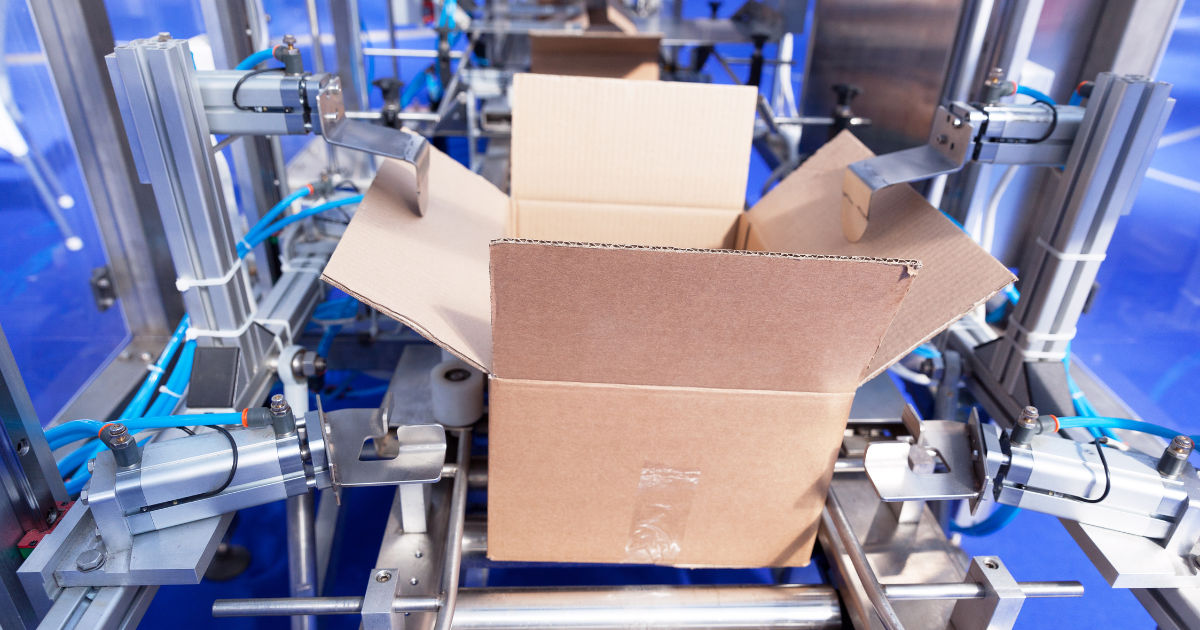
In factories where beverages, oils, chemicals, and medicines are produced, a Liquid Packing Machine ensures every container gets the correct amount of liquid without waste or spillage. This makes a Liquid Packing Machine highly valuable in industries that depend on precise measurements and fast production lines.
A Liquid Packing Machine is not just about filling containers; it also improves safety, reduces manual labor, and increases production efficiency. Without a Liquid Packing Machine, companies would struggle to meet high demand and maintain uniform quality.
From small startups to large manufacturing plants, a Liquid Packing Machine plays a major role in packaging operations. It is widely used because it can handle different types of liquids, whether thin like water or thick like syrup.
In this guide, we will explore what a Liquid Packing Machine is used for, how it works, its applications, benefits, and why it is important in modern industries. By the end, you will clearly understand why a Liquid Packing Machine is a key tool in today’s production systems.
The Purpose of a Liquid Filling System
A Liquid Packing Machine is designed to fill liquids into containers with accuracy and consistency. The main purpose is to replace manual filling methods, which are often slow and inaccurate. A Liquid Packing Machine ensures that every bottle or pouch contains the exact required amount of liquid, reducing errors and improving efficiency.
In industries like food and beverages, a Liquid Packing Machine is used for bottling water, juice, milk, and soft drinks. In chemical industries, it helps fill cleaning solutions, detergents, and industrial chemicals. In pharmaceuticals, a Liquid Packing Machine is used for syrups, medicines, and liquid supplements.
Another important purpose of a Liquid Packing Machine is hygiene control. Since the process is automated, human contact with the liquid is minimized. This reduces contamination risks and ensures safe packaging. A Liquid Packing Machine also improves production speed, allowing companies to fill thousands of containers in a short time.
Additionally, a Liquid Packing Machine helps businesses reduce labor costs. Instead of hiring many workers for manual filling, companies can rely on automated systems. This makes production more cost-effective and scalable.
Types of Liquid Filling Applications
Food and Beverage Industry
The food and beverage industry is one of the biggest users of a Liquid Packing Machine. It is used for filling bottled water, fruit juices, soft drinks, sauces, and edible oils. A Liquid Packing Machine ensures consistent taste and quantity in every product, which is important for customer satisfaction.
Modern beverage factories depend heavily on a Liquid Packing Machine because it can operate continuously with high speed. This allows companies to meet large market demands without delays. The hygiene standards are also maintained since a Liquid Packing Machine uses sealed systems to avoid contamination.
Pharmaceutical Industry
In the pharmaceutical industry, a Liquid Packing Machine is used for filling syrups, cough medicines, antiseptic liquids, and vaccines. Precision is extremely important here, and a Liquid Packing Machine ensures exact dosage every time.
Even a small error in medicine packaging can lead to serious consequences, which is why a Liquid Packing Machine is preferred. It maintains strict safety standards and ensures compliance with health regulations.
Chemical Industry
A Liquid Packing Machine is widely used in chemical industries for filling cleaning agents, detergents, acids, and industrial liquids. Since many chemicals can be hazardous, automation is necessary. A Liquid Packing Machine reduces human exposure to dangerous substances.
It also ensures safe handling of corrosive or volatile liquids. With a Liquid Packing Machine, companies can maintain both safety and efficiency in production environments.
How a Liquid Filling Machine Works
A Liquid Packing Machine works on a simple yet efficient principle of controlled filling. The process starts with placing empty containers on a conveyor system. A Liquid Packing Machine then detects each container and begins the filling process automatically.
The machine uses pumps, valves, or gravity-based systems to transfer liquid from storage tanks into containers. A Liquid Packing Machine carefully controls the flow rate to ensure accurate filling levels. Once the container reaches the required level, the flow stops automatically.
Different models of a Liquid Packing Machine may use different technologies such as piston filling, vacuum filling, or overflow filling. However, the goal remains the same: precise and consistent filling.
After filling, containers move to the next stage, which may include sealing, capping, or labeling. A Liquid Packing Machine often works as part of a complete production line, making the entire process automated and efficient.
Sensors and control systems play a major role in modern machines. A Liquid Packing Machine uses sensors to detect container positions and ensure accuracy. This reduces errors and increases productivity.
Key Benefits of Using Liquid Filling Machines
High Accuracy and Consistency
One of the biggest advantages of a Liquid Packing Machine is its accuracy. Every container receives the same amount of liquid, which ensures product consistency. A Liquid Packing Machine eliminates human errors and variations.
Increased Production Speed
A Liquid Packing Machine can fill hundreds or even thousands of containers per hour. This high speed allows companies to meet large-scale demands efficiently. Manual filling cannot match the performance of a Liquid Packing Machine.
Reduced Labor Costs
By automating the filling process, a Liquid Packing Machine reduces the need for manual labor. This helps companies save money and allocate resources to other important tasks.
Improved Hygiene and Safety
Since a Liquid Packing Machine operates in a controlled environment, it minimizes contamination risks. It also protects workers from handling harmful liquids directly.
Flexibility in Packaging
A Liquid Packing Machine can handle different container sizes and liquid types. Whether it is thin liquid like water or thick liquid like honey, a Liquid Packing Machine can be adjusted accordingly.
Components of a Liquid Filling System
A Liquid Packing Machine consists of several important components that work together to ensure smooth operation.
Filling Nozzles
The nozzles are responsible for releasing liquid into containers. A Liquid Packing Machine uses precision nozzles to control flow and prevent spills.
Conveyor System
The conveyor moves containers through different stages. A Liquid Packing Machine depends on this system for continuous production flow.
Control Panel
The control panel allows operators to manage settings. A Liquid Packing Machine uses digital controls for speed, volume, and accuracy adjustments.
Storage Tank
The liquid is stored in a tank before filling begins. A Liquid Packing Machine ensures a steady supply of liquid from this tank.
Industrial Uses of Liquid Filling Technology
A Liquid Packing Machine is used across multiple industries due to its versatility and reliability.
In cosmetics, a Liquid Packing Machine fills lotions, shampoos, and perfumes. In agriculture, it is used for pesticides and liquid fertilizers. In automotive industries, a Liquid Packing Machine fills engine oils and lubricants.
Each industry relies on a Liquid Packing Machine to maintain quality standards and improve efficiency. The ability to handle different liquids makes it a universal solution for packaging needs.
Even small businesses benefit from a Liquid Packing Machine because it helps them scale operations and compete in larger markets.
Maintenance and Efficiency Tips
To keep a Liquid Packing Machine running efficiently, regular maintenance is important. Cleaning the system prevents clogging and contamination. A Liquid Packing Machine should be inspected regularly for worn-out parts.
Lubrication of moving parts ensures smooth operation. A Liquid Packing Machine should also be calibrated frequently to maintain accuracy.
Training operators is equally important. A well-trained team can maximize the performance of a Liquid Packing Machine and reduce downtime.
Using high-quality materials also improves the lifespan of a Liquid Packing Machine. Proper maintenance ensures long-term efficiency and reliability.
Conclusion
A Liquid Packing Machine is a vital tool in modern manufacturing industries. It improves speed, accuracy, hygiene, and overall efficiency. From food and beverages to pharmaceuticals and chemicals, a Liquid Packing Machine plays a critical role in ensuring products are safely and correctly packaged.
The ability of a Liquid Packing Machine to handle different liquids and container types makes it highly versatile. Businesses that invest in a Liquid Packing Machine benefit from reduced costs, higher production rates, and improved product quality.
As industries continue to grow, the importance of a Liquid Packing Machine will only increase. Automation is the future of production, and a Liquid Packing Machine is at the center of this transformation.
By understanding its uses, benefits, and working principles, it becomes clear why a Liquid Packing Machine is essential in today’s competitive market. Whether for small-scale production or large industrial operations, a Liquid Packing Machine ensures consistency, safety, and efficiency at every stage.