
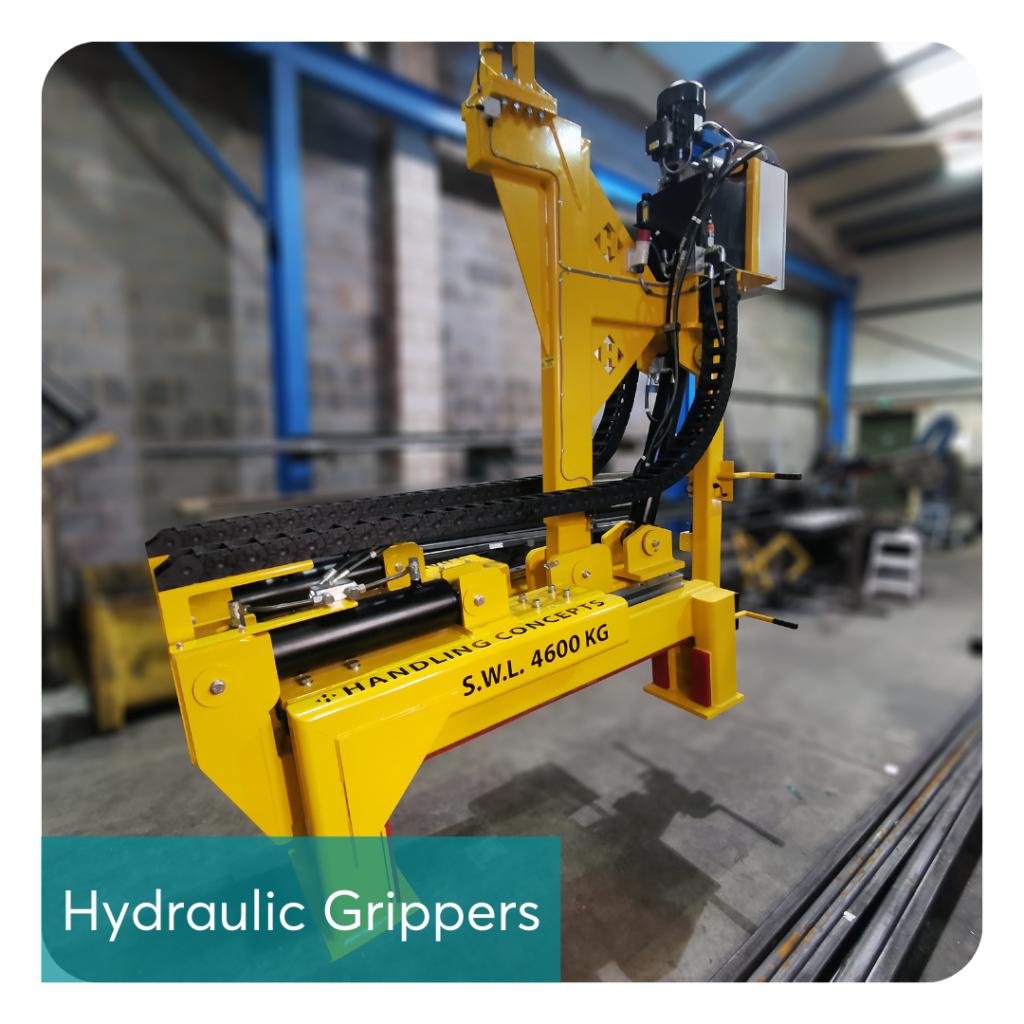
Moving heavily materials in industrial and twist environments requires accuracy, poise, and steady . Below the hook lifting play a John R. Major role in making this work on controlled and foreseeable. These tools connect directly below a stretch out hook or run up and allow operators to lift, spread ou, place, and direct scores with confidence. From nerve manufacture shops to busy twist sites, below the hook lifting help reduce risk while up workflow.
What Below the Hook Lifting Devices Are Used For
Below the hook lifting are attachments studied to sit between the crane hook and the load. Instead of using only staple slings or irons, these supply better stableness and grip for different materials. They are ordinarily used to lift steel beams, panels, pipes, machinery, pallets, and fabricated parts.
Their main purpose is to control the load during lifting and front. By holding the weight , below the hook lifting help keep swing, slipping, or unexpected shifts that could damage materials or cause injuries.
Why Below the Hook Lifting Devices Matter on Job Sites
Heavy lifting always comes with risks. Below the hook lifting reduce those risks by rising balance and verify. When a load is upraised , the crane operates more smoothly and the operator has better visibility and preciseness.
These also reduce stress on rigging components. Instead of relying on stopgap setups, below-the-hook lifting equipment are engineered for specific load types and weights. This leads to few rigging errors and safer daily trading operations.
Common Types of Below the Hook Lifting Devices
Different jobs want different tools. Below the hook lifting come in many forms, each studied for specific lifting needs.
Lifting Beams and Spreader Bars
Lifting beams and spreader bars distribute slant across bigeminal lifting points. They are often used for long or wide piles that could bend or flex if upraised from one spot. These below the hook lifting devices keep the load rase and tighten strain on slings and fond regard points.
Plate Clamps
Plate clamps grip nerve plates firmly from the edges or rise. These below the hook lifting devices are nonclassical in metal manufacture and shipbuilding. They allow plates to be lifted vertically or horizontally without boring or welding fond regard points.
Coil Lifters
Coil lifters are premeditated for handling nerve coils safely. These below the hook lifting devices support the coil from the interior or it from the outside, retention it horse barn during lifting and transmit.
Pipe and Bar Lifters
Pipe lifters and bar lifters hold rounded materials without stifling or slippy. These below the hook lifting devices are useful in manufacturing facilities where pipes and ring bars are stirred oft.
Vacuum Lifters
Vacuum lifters use sucking to lift flat or smooth materials such as glaze, metallic element sheets, or panels. These below the hook lifting allow for strip handling without clamps or meat hooks touch the come up.
How Below the Hook Lifting Devices Improve Safety
Safety is the main conclude many companies vest in below the hook lifting . These tools are shapely with load ratings, refuge factors, and proven components. When used correctly, they lour the chances of dropped piles and irrepressible front.
Many below the hook lifting devices also tighten the need for workers to guide gobs by hand. This keeps people at a safer outdistance and minimizes vellicate points. Clear labeling and review points make it easier to control that the is set up for use.
Efficiency Benefits in Daily Operations
Beyond refuge, below the hook lifting devices save time. Loads can be sessile quicker, upraised more smoothly, and placed with greater accuracy. This leads to few delays and less make over.
For repetitive lifting tasks, using the right below the hook lifting devices helps standardize the work. Operators become familiar spirit with the setup, which improves consistency and reduces mistakes over time.
Choosing the Right Below the Hook Lifting Devices
Selecting the correct below the hook lifting depends on several factors.
Load angle and size
Shape and rise up of the material
Lifting and quad limits
Frequency of use
Required social movement, such as rotation or tilting
Matching the device to the task ensures better performance and thirster service life. Custom below the hook lifting are sometimes used when monetary standard options do not meet particular requirements.
Inspection and Care of Below the Hook Lifting Devices
Regular inspection keeps below the hook lifting devices workings safely. Operators should for cracks, wear, bent components, unleash ironware, and clear identification markings. Any device viewing should be distant from serve at once.
Proper storehouse also matters. Keeping below the hook lifting strip and battlemented from wet and touch on helps exert their potency and reliableness.
Training and Proper Use
Even the best depends on sure-handed surgical operation. Workers should be trained on how to take, attach to, and use below the hook lifting devices correctly. Understanding load limits and proper rigging methods prevents pervert and extends equipment life.
Clear procedures and between stretch out operators and ground staff help see to it each lift is restricted and predictable.
Where Below the Hook Lifting Devices Make the Biggest Impact
Below the hook lifting devices are used across many industries, including construction, steel manufacturing, energy, shipping, and heavy equipment forum. Anywhere heavy materials need to be raised repeatedly, these tools make work safer and more steerable.
As job sites grow more complex, below the hook lifting devices carry on to subscribe safer lifting practices while holding trading operations moving forward in a steady and dependable way.