
Desiccant Container Strips are one of the most effective and widely used solutions for controlling moisture during shipping and storage.
In global trade, goods often travel long distances across oceans, passing through humid climates and extreme temperature changes. During this journey, moisture buildup inside containers can cause serious damage. This is where Desiccant Container Strips play a critical role by absorbing excess moisture and protecting products from humidity-related problems.
This comprehensive guide explains how Desiccant Container Strips work, why they are important, where they are used, and how to use them correctly. The content is written in simple language, with short paragraphs, making it easy for a 12th-grade audience to read and understand.
Moisture Problems in Shipping Containers
Shipping containers may look sealed, but they are not moisture-proof. Moisture enters containers in several ways, including humid air trapped inside, temperature changes, and wet cargo. When warm air cools, it turns into condensation. This condensation can drip onto goods, a process commonly known as “container rain.”
Over time, this moisture can cause rust, mold, mildew, corrosion, packaging damage, and product spoilage. Desiccant Container Strips are designed specifically to prevent these issues by absorbing moisture before it causes harm.
What Are Desiccant Container Strips?
Desiccant Container Strips are long, flexible strips filled with moisture-absorbing materials called desiccants. These strips are designed to be hung inside shipping containers, where they actively absorb humidity from the surrounding air.
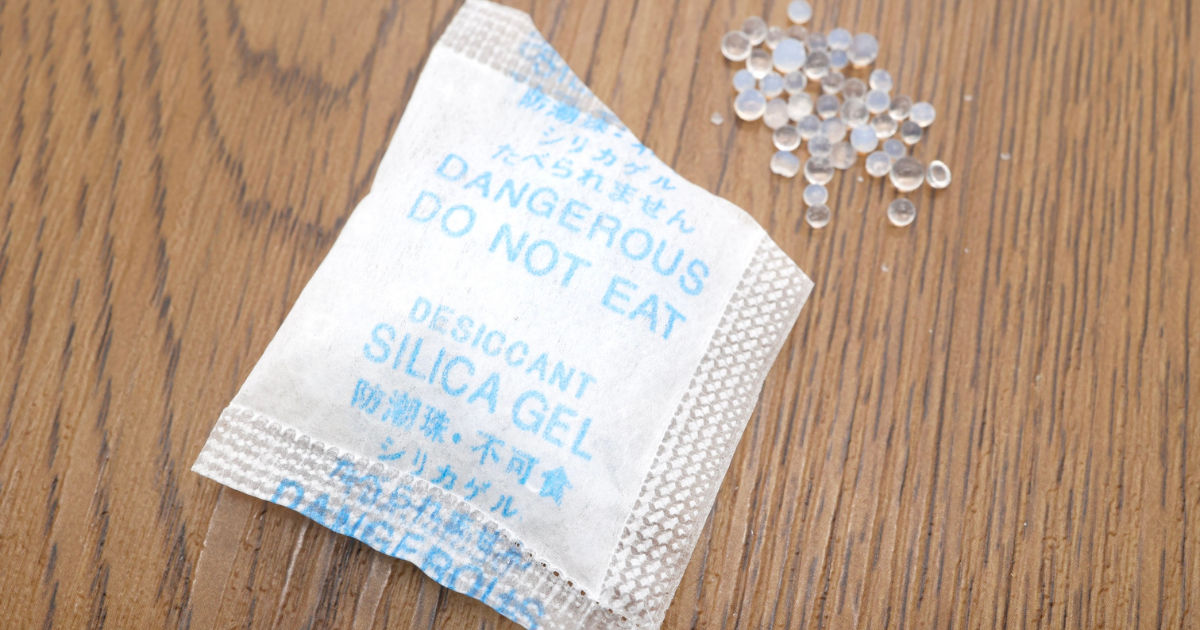
Unlike small silica gel packets used in packaging, Desiccant Container Strips are made for large spaces. They can absorb significant amounts of moisture over long periods, making them ideal for international shipping and long-term storage.
The Basic Science Behind Desiccant Container Strips
To understand how Desiccant Container Strips work, it helps to know how desiccants function. A desiccant is a substance that attracts and holds water molecules. This process is called adsorption, not absorption.
Desiccant Container Strips use materials such as calcium chloride or clay-based compounds. These materials pull moisture from the air and trap it inside the strip. As humidity levels rise, the strips continue working until they reach their maximum capacity.
Why Moisture Control Is So Important
Moisture damage can lead to financial losses, customer complaints, and safety risks. Electronics can short-circuit, metal parts can rust, food products can spoil, and paper goods can become unusable.
By using Desiccant Container Strips, businesses reduce the risk of damaged shipments. This protection is especially important for industries such as electronics, automotive, pharmaceuticals, textiles, and agriculture.
How Desiccant Container Strips Are Designed
Desiccant Container Strips are designed with durability and efficiency in mind. The outer layer is made from breathable fabric or paper that allows air to pass through while keeping the desiccant material contained.
Inside, the desiccant material expands as it absorbs moisture. Many Desiccant Container Strips include leak-proof designs to prevent liquid from escaping, even when the strip becomes saturated.
Step-by-Step: How Desiccant Container Strips Work
Moist Air Enters the Container
As a container moves through different climates, humid air enters or forms inside. Temperature changes cause moisture to accumulate.
Desiccant Attracts Moisture
Desiccant Container Strips attract water vapor from the air. The desiccant material inside the strip binds with moisture molecules.
Moisture Is Locked Inside
Once captured, the moisture is locked inside the strip. This prevents condensation from forming on cargo surfaces.
Continuous Protection
Desiccant Container Strips work continuously throughout the journey, providing long-term moisture control without electricity or maintenance.
Types of Desiccant Materials Used
Different Desiccant Container Strips use different materials depending on the application.
Calcium Chloride-Based Strips
These are highly effective and commonly used. Calcium chloride can absorb several times its own weight in water.
Clay-Based Strips
Clay desiccants are natural and non-toxic. They are suitable for products that require gentle moisture control.
Mixed Desiccant Formulations
Some Desiccant Container Strips combine materials to balance absorption capacity and safety.
Where Desiccant Container Strips Are Used
Desiccant Container Strips are used across many industries.
They are common in shipping containers transporting electronics, machinery, steel products, furniture, textiles, and food packaging materials. Warehouses and storage facilities also rely on Desiccant Container Strips to control humidity.
How Many Desiccant Container Strips Are Needed?
The number of Desiccant Container Strips required depends on container size, shipping duration, climate conditions, and cargo type.
For a standard 20-foot or 40-foot container, multiple Desiccant Container Strips are usually hung along the container walls. Using the correct quantity ensures effective moisture control throughout the journey.
Proper Placement of Desiccant Container Strips
Correct placement is essential for maximum efficiency.
Desiccant Container Strips should be hung vertically along container walls or doors. This allows air to circulate freely around them. Avoid placing them directly on cargo or blocking airflow.
Benefits of Using Desiccant Container Strips
Desiccant Container Strips offer many advantages.
They are easy to use, cost-effective, and require no power source. They provide long-lasting protection and help maintain product quality. By reducing moisture damage, Desiccant Container Strips also lower insurance claims and customer complaints.
Desiccant Container Strips vs Other Moisture Control Methods
Some shippers use dehumidifiers or ventilation systems, but these methods are often impractical during transit.
Compared to these options, Desiccant Container Strips are lightweight, portable, and reliable. They work silently and continuously, making them ideal for long-distance shipping.
Environmental Considerations
Many modern Desiccant Container Strips are designed with environmental safety in mind. Some use biodegradable materials, while others are non-toxic and safe for disposal according to regulations.
Choosing eco-friendly Desiccant Container Strips helps companies meet sustainability goals while protecting their cargo.
Common Mistakes When Using Desiccant Container Strips
One common mistake is using too few Desiccant Container Strips. Underestimating moisture levels can lead to incomplete protection.
Another mistake is improper placement. For best results, Desiccant Container Strips should be evenly distributed throughout the container.
Safety and Handling Guidelines
While Desiccant Container Strips are generally safe, basic handling guidelines should be followed. Avoid tearing the outer packaging and wash hands after handling, especially if calcium chloride is used.
Proper training ensures safe and effective use of Desiccant Container Strips.
Cost Efficiency of Desiccant Container Strips
The cost of Desiccant Container Strips is small compared to the value of goods they protect. Investing in moisture control saves money by preventing damage, delays, and product loss.
For many businesses, Desiccant Container Strips are an essential part of risk management.
Innovations in Desiccant Container Strip Technology
Manufacturers continue to improve Desiccant Container Strips. New designs offer higher absorption capacity, improved leak prevention, and smarter placement options.
Some advanced Desiccant Container Strips even include humidity indicators to show when they are saturated.
Choosing the Right Desiccant Container Strips
When selecting Desiccant Container Strips, consider the cargo type, shipping route, and environmental conditions. Different strips are designed for different levels of humidity and duration.
Consulting with suppliers helps ensure the best performance of Desiccant Container Strips.
Real-World Impact of Desiccant Container Strips
In real-world shipping scenarios, Desiccant Container Strips have proven their effectiveness. Companies report fewer damaged goods, better customer satisfaction, and smoother logistics operations.
These results show why Desiccant Container Strips are a trusted solution worldwide.
Maintenance and Disposal After Use
After a shipment arrives, used Desiccant Container Strips should be removed and disposed of properly. Follow local regulations for disposal, especially if the strips contain chemical desiccants.
Some Desiccant Container Strips can be recycled or safely discarded, depending on the materials used.
The Future of Moisture Control in Shipping
As global trade continues to grow, the demand for reliable moisture control solutions will increase. Desiccant Container Strips will remain a key tool in protecting goods during transit.
Future developments may include smarter, more sustainable Desiccant Container Strips with enhanced performance.
Conclusion
Desiccant Container Strips play a vital role in modern shipping and storage by controlling moisture and preventing damage. They work by attracting and locking in water vapor, keeping containers dry even in challenging environments. Easy to use, cost-effective, and reliable, Desiccant Container Strips protect a wide range of products across many industries.
Understanding how Desiccant Container Strips work helps businesses make informed decisions and reduce risks during transportation. By choosing the right type, using the correct quantity, and placing them properly, shippers can ensure their cargo arrives in excellent condition. In a world where moisture damage can lead to significant losses, Desiccant Container Strips remain one of the simplest and most effective solutions available