
Radio Frequency Identification (RFID) has incubated in relative obscurity for over 60 years, quietly changing our lives with scant focus outside the technology community. First used to identify Allied aircraft in Globe War II, RFID is now well integrated in developing security, transportation, fast meals, wellness care and livestock management.
Proponents hail RFID because the next natural part of our technological evolution. Opponents forewarn of unprecedented privacy invasion and social control. Which is it? That is a bit like asking if Christopher Columbus was an intrepid visionary or perhaps a ruthless imperialist. It depends on your perspective. A single issue is clear: As RFID extends its roots into common culture we every single bear duty for tending its development.
Your Eyes Only
RFID functions as a network of microchip transponders and readers that enables the mainstream exchange of more ? and more specific ? information than ever before. Just about every RFID transponder, or ?smart tag?, is encrypted with a unique electronic item code (EPC) that distinguishes the tagged item from any other in the globe. ?Smart tags? are provocatively made with both read and write capabilities, which signifies that each time a reader retrieves an EPC from a tag, that retrieval becomes portion of the EPC?s dynamic history. This continuous imprinting provides actual-time tracking of a tagged item at any point in its lifespan.
Recognizing the potential commercial benefits of the technology, scientists at the Massachusetts Institute of Technology (MIT) began establishing retail applications of RFID in 1999. Install a reader in a display shelf also it becomes a ?smart shelf?. Network that with other readers throughout the store and you?ve got an impeccable record of customers interacting with solutions ? from the shelf to the shopper from the shopper to the cart from the cart to the cashier, etc.
Proctor & Gamble, The Gillette Company and Wal-Mart were amongst the first to deliver financial and empirical help to the project. Less than five years later RFID has eclipsed UPC bar coding because the next generation common of inventory manage and provide chain management. RFID delivers unparalleled inventory control at reduced labor charges naturally the retail sector is excited.
Katherine Albrecht founded the consumer advocacy group CASPIAN (Shoppers Against Supermarket Privacy Invasion and Numbering) to educate consumers about the potential dangers of automatic-identification technology. She warns that ?smart tags? ? dubbed ?spy chips? ? boost retailer profits at the expense of consumer privacy.
RFID provides a continuing feed of our activities once we peek, poke, squeeze and shake tagged items throughout the shop. Advocacy groups take into consideration this electronic play-by-play a treasure for corporate advertising and a tragedy for consumer privacy.
Albrecht?s apprehension is understandable. Even so, shopping in virtually any public venue is not private. It is public. The decision to stay a public space involves a tacit acknowledgement that 1 can be observed by others. That is the difference between the public planet and the private world.
What if those worlds collide? CASPIAN along with other consumer groups are concerned about retailers applying RFID for connecting public activities with private information and facts. Because every single EPC leaves one electronic footprint, linking every single item of every single transaction of each consumer with personally identifying info, anyone with usage of the system can basically follow the footprints to a dossier of the buyer and their purchases.
Again, we ought to be clear. RFID does allow retailers to surveil consumers and link them making use of their acquiring histories. As disconcerting as that may well be, it is neither new nor unique to RFID. Any person who uses credit cards agrees to forfeit some extent of privacy for the privilege of buying now and paying later. Charge card companies collect and retain your name, address, telephone and Social Security numbers. This personal details is made use of to track the date, time, location, items and price of every purchase produced with the card.
Don? uhf rfid reader ? Unless you pay with cash, someone is monitoring you too. The now familiar UPC bar codes on almost all customer goods neatly catalogue the intimate details of all check and bank card purchases. Cash remains the last outpost for the would-be anonymous consumer. Of course, all factors are subject to change. RFID inks may well be coming quickly to a currency near you, but that?s a discussion for a further day.
If RFID is not any more intrusive than a curious fellow shopper or perhaps a ceiling mounted safety camera, what is the downside for consumer groups? If RFID is no more revealing than a bank or credit card transaction, what is the upside for the organization suits? There need to be more.
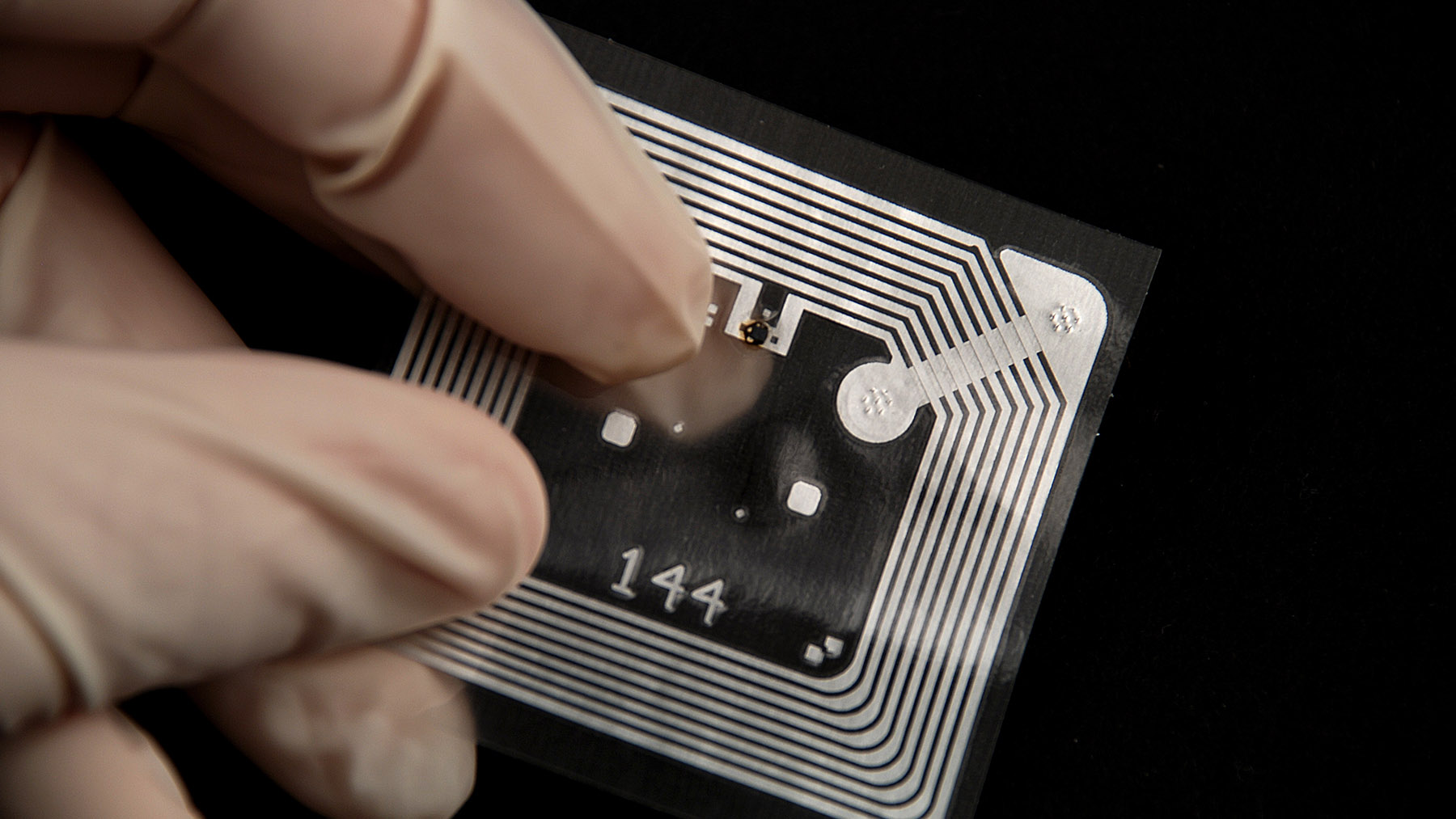
Indeed, there’s. Bear in thoughts that ?smart tags? are uniquely made to pinpoint tagged products anytime, anywhere from point of origin by way of point of sale. And, theoretically, beyond.
Ah, the excellent beyond. RFID?s potential is limited only by our imaginations. And not simply our imaginations the imagination of any person who includes a reader and a transponder. Wal-Mart. Your employer. The government. Anyone.
Everything Costs Something
Members of German privacy group FOEBUD see shadowy strangers lurking in the imagination playground. Their February 2004 demonstration before Metro?s RFID-rigged Future Store was designed to raise public knowing of the implications of RFID.
?As the spy chips are not destroyed at the shop exit, they continue being readable to any interested party, such as other supermarkets, authorities, or any individual in possession of a reading device (available to the basic public)… The antennas utilized for reading are nonetheless visible in the Future Store, but soon they’ll be hidden in walls, doorways, railings, at petrol pumps anywhere. And we will not know anymore who is when or why spying on us, watching us, following every of our methods.? 1