
Power cables are the lifelines of electrical systems. Whether at home, office, or industrial setups, they ensure that electricity flows safely and efficiently to our devices.
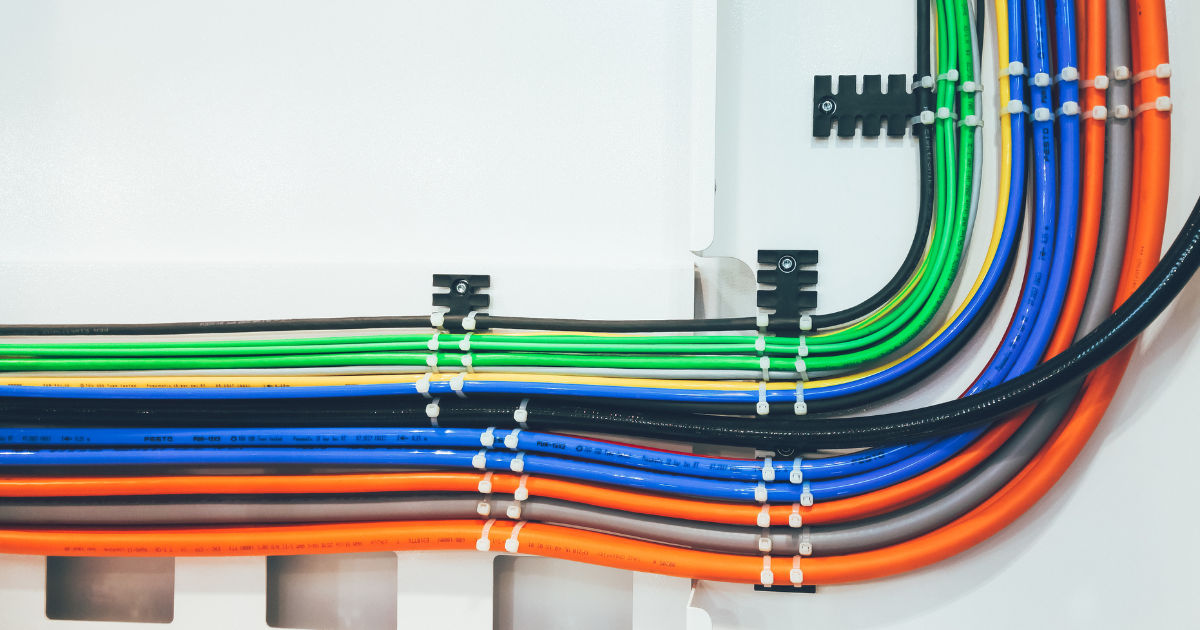 However, power cables can sometimes face issues such as malfunctioning, wear and tear, or even total failure. Knowing how to troubleshoot power cables is essential to prevent interruptions and hazards.
For reliable quality and replacement options, a Fast Cables Supplier in Karachi can provide the right solutions.
In this guide, we will explore everything you need to know about power cable troubleshooting—from identifying problems to solving them safely.
Understanding Power Cables
Before diving into troubleshooting, it is important to understand the basic structure and types of power cables.
Components of a Power Cable
A standard power cable consists of:
-
Conductors: Usually copper or aluminum wires that carry electricity.
-
Insulation: Protective material around the conductor to prevent electrical shocks and short circuits.
-
Sheath: The outer layer protecting the cable from physical damage and environmental factors.
-
Shielding: Some cables have additional shielding to prevent electromagnetic interference.
Types of Power Cables
Power cables come in different types depending on their use:
-
Low Voltage Cables: Typically used in residential and commercial buildings.
-
Medium Voltage Cables: Suitable for industries and larger electrical systems.
-
High Voltage Cables: Used for power transmission over long distances.
-
Flexible Cables: Often used in appliances and portable devices.
Understanding the type of cable is essential for troubleshooting because each type has specific characteristics and potential issues.
Common Power Cable Problems
Power cable issues can arise due to multiple reasons. Identifying the problem accurately is the first step in troubleshooting.
Physical Damage
Physical damage is one of the most common issues with power cables. This can occur due to:
-
Cuts or abrasions from sharp objects
-
Pinching or bending of the cable
-
Exposure to extreme heat or cold
Physical damage may result in exposed wires, leading to short circuits or electric shocks.
Loose Connections
Loose connections can disrupt the flow of electricity and cause intermittent power. Common causes include:
-
Poor installation
-
Vibrations or movement in the cable
-
Corrosion at connection points
Overheating
Overheating is dangerous and can be caused by:
-
Overloading the cable beyond its rated capacity
-
Poor ventilation
-
Using a cable of insufficient gauge for the load
Short Circuits
A short circuit occurs when the conductors of a cable touch each other or a conductive surface. This can happen due to:
-
Insulation breakdown
-
Damage to the cable sheath
-
Water ingress in outdoor cables
Short circuits are hazardous and can cause fires if not addressed immediately.
Voltage Drops
Voltage drops occur when the cable cannot deliver the required voltage to the device. Causes include:
-
Excessive cable length
-
Poor conductor material
-
High current load
Environmental Damage
Cables exposed to water, sunlight, chemicals, or rodents can degrade over time. This environmental damage may not be immediately visible but can lead to failure in the long run.
Tools Required for Power Cable Troubleshooting
Having the right tools is essential for safe and efficient troubleshooting.
-
Multimeter: Measures voltage, current, and resistance.
-
Insulation Resistance Tester: Checks the integrity of insulation.
-
Continuity Tester: Determines if the circuit is complete.
-
Wire Strippers: Safely removes insulation for testing connections.
-
Screwdrivers and Pliers: For adjusting and securing connections.
-
Cable Tracer: Helps locate hidden or buried cables.
Using these tools properly ensures accurate diagnosis without causing additional damage.
Safety Precautions
Working with power cables can be dangerous. Always follow these safety precautions:
-
Switch off the power supply before inspecting cables.
-
Wear insulated gloves and shoes.
-
Avoid working in wet conditions.
-
Use tools with insulated handles.
-
Never bypass a safety device or fuse.
-
If unsure, contact a professional from a Fast Cables Supplier in Karachi for assistance.
Step-by-Step Troubleshooting Process
Troubleshooting power cables involves systematic checks to identify the root cause of the problem.
Step 1: Visual Inspection
Start with a visual inspection of the cable. Look for:
-
Cuts, nicks, or abrasions
-
Burn marks or discoloration
-
Exposed wires
-
Loose connections at plugs and sockets
Document any issues before proceeding.
Step 2: Check Connections
Ensure that all connections are tight and secure. Loose connections can cause intermittent power or sparking.
-
Tighten screws at plugs and terminals.
-
Replace corroded connectors.
-
Ensure proper alignment of wires in multi-wire cables.
Step 3: Test for Continuity
Use a continuity tester or multimeter to check if electricity can flow through the cable.
-
Disconnect the cable from the power source.
-
Connect the tester to both ends of the cable.
-
A continuous beep indicates the cable is intact.
-
No beep may indicate a broken conductor.
Step 4: Measure Resistance
Excessive resistance can indicate internal damage or corrosion.
-
Set the multimeter to the resistance (ohms) mode.
-
Measure across the conductor.
-
Compare the reading with the standard value for the cable type.
-
High resistance indicates a problem.
Step 5: Insulation Testing
Insulation failure is a major safety concern.
-
Use an insulation resistance tester.
-
Apply the recommended voltage (usually 500V–1000V).
-
Check the reading in megohms.
-
Low resistance suggests insulation damage, requiring cable replacement.
Step 6: Check for Overheating
Excessive heat may indicate an overload or faulty cable.
-
Touch the cable carefully (or use an infrared thermometer).
-
Identify hot spots along the cable.
-
Replace cables that are consistently overheating.
Step 7: Detect Short Circuits
Short circuits can be located using a multimeter:
-
Set the multimeter to continuity or resistance mode.
-
Test between live and neutral wires.
-
A reading close to zero indicates a short.
-
Locate the damaged section and replace or repair it.
Step 8: Verify Voltage Supply
Sometimes the cable may be fine, but the power supply is inconsistent.
-
Use a multimeter to measure voltage at the cable ends.
-
Compare it with the expected supply voltage.
-
Fluctuating voltage may require inspection of upstream circuits or transformers.
Repair vs. Replacement
After identifying the issue, you must decide whether to repair or replace the cable.
When to Repair
-
Minor cuts in the insulation
-
Loose connectors or terminals
-
Small exposed sections that can be safely insulated
When to Replace
-
Broken conductors
-
Severe insulation damage
-
Burn marks or overheating
-
Rodent damage or environmental degradation
Using high-quality cables from a Fast Cables Supplier in Karachi ensures long-term reliability and reduces frequent failures.
Tips to Prevent Power Cable Problems
Prevention is better than troubleshooting. Here are some tips:
-
Avoid bending cables sharply or running them under heavy objects.
-
Use cable trays and conduits for organization and protection.
-
Choose the correct cable type and gauge for the load.
-
Inspect cables regularly for early signs of damage.
-
Keep cables away from water, chemicals, and rodents.
-
Label cables clearly for easier maintenance.
Advanced Troubleshooting Techniques
For complex systems or industrial setups, additional techniques may be necessary.
Thermal Imaging
-
Detects hot spots that are not visible to the naked eye.
-
Helps identify loose connections or overloaded cables.
Cable Tracing
-
Useful for hidden or underground cables.
-
Allows technicians to locate faults without digging or dismantling.
Time-Domain Reflectometry (TDR)
-
Sends pulses through the cable and measures reflections.
-
Pinpoints the exact location of a break or fault.
Network Analyzers
-
For data or communication cables that carry power and signals.
-
Detects impedance issues or interference affecting performance.
Choosing the Right Supplier
When replacing or upgrading cables, selecting a reliable supplier is critical. A trusted Fast Cables Supplier in Karachi provides:
-
High-quality, certified cables
-
Proper guidance on cable selection
-
Emergency support and replacements
-
Cost-effective solutions without compromising safety
Working with a reputable supplier ensures compliance with safety standards and reduces downtime.
Conclusion
Power cable troubleshooting is an essential skill for anyone dealing with electrical systems. By understanding the types of cables, identifying common problems, using the right tools, and following safety precautions, most issues can be diagnosed and resolved effectively.
Remember, not all problems require DIY fixes—sometimes, professional help from a Fast Cables Supplier in Karachi is the safest and most efficient choice. Preventive maintenance, careful handling, and regular inspections are key to prolonging cable life and ensuring safety.
With the right approach, you can avoid costly repairs, downtime, and hazards while keeping your electrical systems running smoothly. Whether for home, office, or industrial use, power cables deserve careful attention, proper maintenance, and quality replacements.