
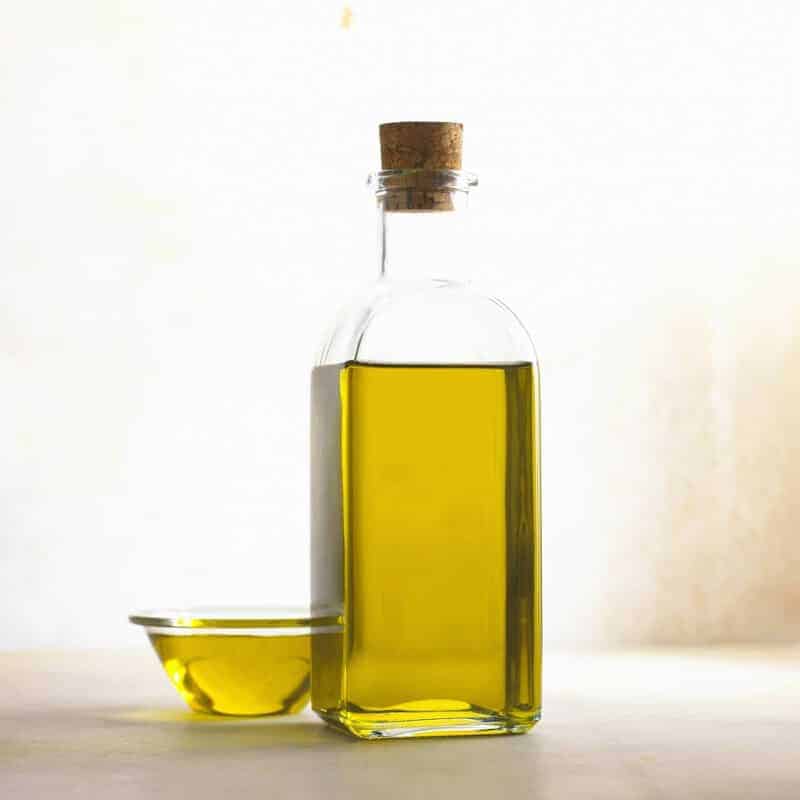
Sustainable and high-quality cookery oils are gaining protuberance in kitchens around the worldly concern, and for good reason. As food lovers become more conscious of their health and the environment, the for oils that are both nutritive and responsibly sourced has never been greater. These oils are not only essential for enhancing the flavor of dishes, but also for supporting a more ethical and environmentally friendly food system.
Choosing sustainable cookery oils means considering how the ingredients are full-grown, harvested, and refined. Many traditional oils are produced using intensifier agricultural practices that can contribute to , water contamination, and loss of biodiversity. In , property oils are often made from crops grownup with minimum bear upon on the land, using regenerative land methods and fair tug practices. Oils like extra virgin olive oil, avocado oil, and certain certified organic coconut and sunflower oils exemplify this balance between tone and responsibility.
High-quality cookery oils are also outlined by their nutritional profile and how they are refined. Cold-pressed or expeller-pressed oils hold back more of their natural antioxidants, vitamins, and season compounds compared to to a great extent pure versions. These oils often have richer, more complex tastes and can raise everything from salad dressings to saut ed vegetables. For those who cook oftentimes, investing in a few premium oils can make a strong difference in both flavor and wellness benefits.
For food lovers who value both smack and sustainability, the travel toward better Refined avocado oil is not just about what ends up on the plate, but also about the write up behind each feeding bottle. Supporting brands that prioritize right sourcing, transparence, and situation stewardship allows consumers to make hep decisions that ordinate with their values. In doing so, every meal becomes not only a celebration of season but also a modest step toward a more sustainable and delicious future.