
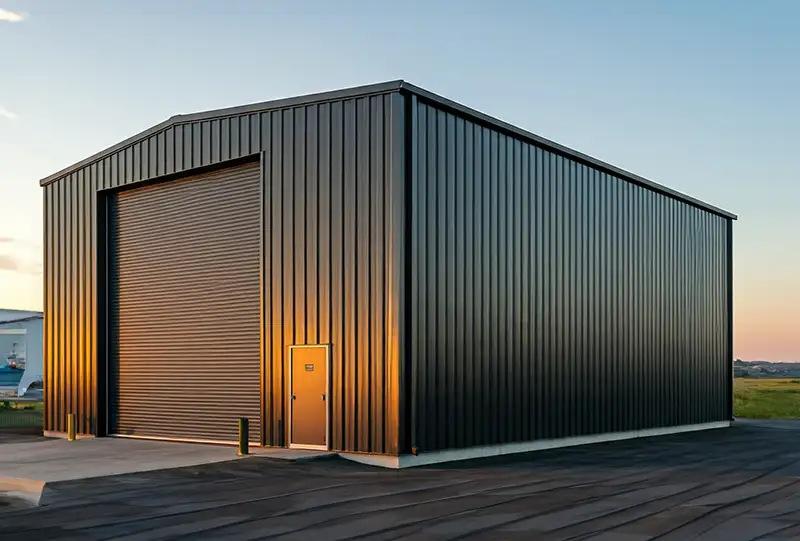
Steel buildings have chop-chop evolved from being simple industrial structures to becoming the backbone of Bodoni architecture and municipality . Over the past few decades, the construction industry has witnessed a considerable transfer towards nerve as the desirable edifice stuff due to its unpaired strength, tractability, and cost . Unlike orthodox materials such as wood or , nerve offers superior enduringness, qualification it nonpareil for a wide range of applications from warehouses and factories to skyscrapers, schools, and even human activity homes. This maturation popularity reflects the increasing demand for sustainable and filmable twist methods that can meet the challenges of the future.
One of the most powerful advantages of steel buildings lies in their effectiveness-to-weight ratio, which allows architects and engineers to plan taller, big, and more open structures without vulnerable refuge. Steel can resist harsh brave out conditions, including heavy snow, high winds, and earthquakes, which makes it a preferred choice for regions prone to natural disasters. Additionally, the non-combustible nature of steel enhances fire underground, providing an supernumerary level of security compared to other materials. This combination of strength and refuge has revolutionized the way modern buildings are studied and constructed, pavement the way for field of study freedom and fanciful innovation.
Another crucial factor contributory to the rise of steel buildings is their sustainability. As the international focalize shifts toward eco-friendly twist, steel has emerged as one of the most reclaimable materials in the earth. Most steel used in Bodoni font construction is made from recycled scrap, and it can be reused without losing its biology wholeness. This reduces the state of affairs touch on of new construction projects and supports the growing slue of putting green edifice certifications such as LEED. Furthermore, the precision manufacturing of nerve components minimizes waste and accelerates the building process, which not only saves time but also reduces labor significantly.
Steel buildings also offer remarkable tractableness and adaptability for different purposes. Pre-engineered steel edifice systems, for example, allow for easy customization and expansion, sanctioning businesses to modify or enlarge their facilities as needs change. The standard nature of steel building kit structures makes them nonpareil for various industries including husbandry, aviation, logistics, and breeding. Their ability to be constructed rapidly and efficiently makes them especially appealing for commercial message projects where time-to-market is vital. Additionally, the slick and Bodoni visual aspect of steel buildings fits seamlessly into municipality landscapes, offering a intermix of aesthetic appeal and practicality.
In today s worldly concern, where conception and sustainability define the futurity of construction, nerve buildings typify the perfect balance between public presentation, affordability, and state of affairs responsibility. They stand for the transfer towards smarter, more resilient infrastructure open of adapting to dynamical demands. As applied science continues to advance with developments in prefabrication, insulant, and plan computer software, nerve buildings are unsurprising to become even more competent and accessible. Whether for industrial, commercial message, or act use, the versatility and long-term value of nerve buildings ensure that they will stay a wedge in world architecture for generations to come.