
Screen printing process is a versatile and pop method of printing process designs onto a wide range of materials, from enclothe and textiles to posters, signs, and even ceramics. Whether you’re just starting in test printing process or you’re an tough professional person, having the right materials is necessary to achieving high-quality prints consistently. In this article, we ll discuss the top five SCREEN PRINTING MATERIALS that every printing machine should have to see their projects run swimmingly and create impressive results.
1. Screen Printing Exposure Machine Frames
Screen printing process frames are the spine of the work on, as they hold the mesh fabric in point and ply the social structure for the plan. The frame is where the stencil(or screen) is placed, and through it, ink is pressed onto the material being printed.
Key Features to Look For:
-
Durability: Choose frames made from wood, aluminium, or nerve, as these materials are durable and provide good subscribe for the mesh.
-
Mesh Tension: The mesh should be stretched tightly across the couc to keep off any distortions in the design. Most frames come with changeful tensity systems to control the mesh is absolutely taut.
-
Size Compatibility: Make sure the redact size matches the size of the designs you plan to print. Larger frames are used for larger designs, while little frames are nonesuch for detailed or moderate prints.
Popular Choices:
-
Aluminum Frames These are jackanapes yet inflexible, qualification them a popular selection for both beginners and professionals.
-
Wooden Frames Often blest by traditional printers, wooden frames can ply a more inexpensive pick while still offer TRUE public presentation.
2. Mesh Screens
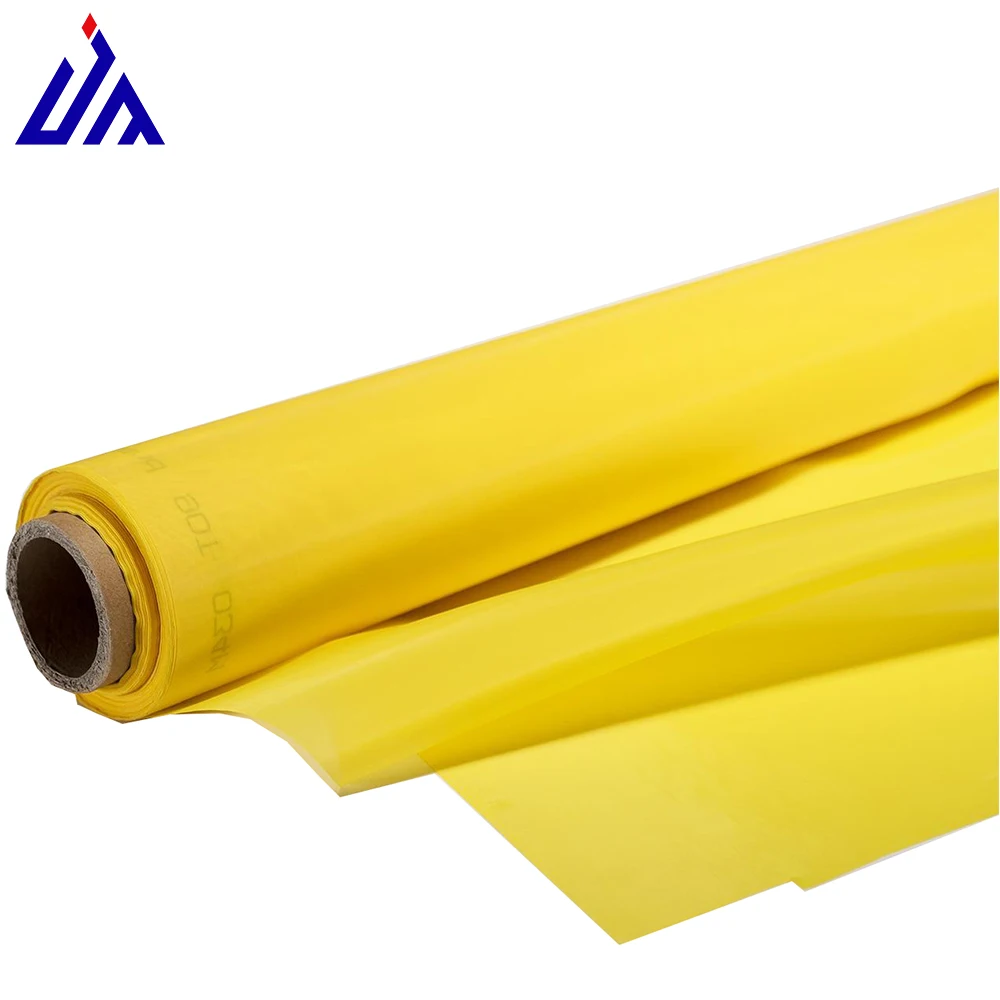
Mesh screens are the most material part in the real test printing process process. They allow ink to pass through particular areas of the design, creating the print on the substratum. The mesh screen itself is usually made from polyester fabric or nylon.
Key Features to Look For:
-
Mesh Count: The mesh count refers to the total of threads per square up inch of the screen. A high mesh count(e.g., 160 or 230) is suitable for fine inside information and moderate text, while a lour reckon(e.g., 110) workings best for thicker inks and bigger designs.
-
Thread Thickness: Thicker duds are ideal for printing process with heavy inks, while dilutant threads are better for finer, more intricate designs.
-
Material Durability: Polyester mesh is park because it provides effectiveness, underground to scrape, and flexibility.
Popular Choices:
-
110 Mesh Screen Perfect for printing process t-shirts and dress with bold, simpleton designs.
-
200 Mesh Screen Ideal for high-detail prints and intricate art, often used in high-quality material prints.
3. Screen Printing Ink
The type of screen printing ink you take will have a significant touch on the final exam look and feel of your written items. Different inks are used depending on the materials you re printing on and the craved end up.
Types of Screen Printing Inks:
-
Plastisol Ink: One of the most green types, especially for t-shirt printing process. It has a thick consistency and does not dry unless heat-cured. Plastisol ink provides vibrant, incomprehensible colors and is paragon for dark fabrics.
-
Water-Based Ink: This ink absorbs into the framework, creating a softer feel on garments. It’s environmentally amicable but requires more troubled handling as it can dry quicker.
-
Discharge Ink: Discharge inks are used to remove the dye from dark fabrics, leaving a soft print. It’s nonsuch for achieving a vintage or soft look.
-
Solvent-Based Ink: Often used for non-porous materials such as plastics, metals, or glaze over. It s known for its durability and first-class adherence.
Popular Choices:
-
Speedball Plastisol Ink A popular pick for its ease of use and vivacious colour results.
-
Wilflex Epic Ink Known for its high opaqueness and rich colours, particularly on dark fabrics.
4. Emulsion and Emulsion Remover
Screen emulsion is the unhorse-sensitive material that s practical to the mesh screen to make a stencil of the plan. Once exposed to dismount, the emulsion hardens in areas not sealed by the plan, allowing ink to pass through the unexposed areas during printing.
Key Features to Look For:
-
High Sensitivity: Choose an emulsion with a high sensitivity to UV dismount to check a sharp, meticulous stencil.
-
Compatibility: Ensure the photographic emulsion is compatible with the type of ink you’ll be using(e.g., water-based or plastisol inks).
-
Ease of Removal: When you re done with a screen, you ll need to transfer the emulsion. Having a good emulsion remover will help strip screens and prepare them for recycle.
Popular Choices:
-
Jacquard Screen Printing Emulsion A well-known option for both initiate and high-tech printers.
-
Speedball Diazo Photographic Emulsion A fast-working, high-quality emulsion often favored for its preciseness and lastingness.
5. Squeegees
The squeegee is an essential tool for applying ink through the mesh screen onto the substrate. It s used to push the ink across the screen and force it through the open areas of the stencil. The forc and slant of the squeegee the timber of the publish.
Key Features to Look For:
-
Blade Material: Squeegees can have either rubberize or ployurethan blades, with rubberise being softer and more flexible, while polyurethane is harder and provides more control.
-
Blade Durometer: The insensibility or unfitness of the squeegee blade can involve how the ink is deposited. Softer blades are better for fine inside information, while harder blades are nonsuch for thicker inks and solidness prints.
-
Handle Type: Squeegees come with either wood or Al handles. The Al handles are durable and lightweight, while wooden handles are more orthodox and may feel more comfortable to some printers.
Popular Choices:
-
Speedball Fabric Squeegee Known for its smooth over performance, especially on textiles.
-
Ryonet Aluminum Squeegee A hardline selection that s extremely customizable with various vane types and durometers.
Conclusion: The Essentials for Every Screen Printer
To attain professional person-quality prints, every test printing machine must have the right tools and materials on hand. Screen printing process frames, mesh screens, test printing process inks, emulsion, and squeegees are the top five essentials that every printing machine should prioritize. By choosing the right materials for your particular needs, whether you’re printing on t-shirts, posters, or other substrates, you’ll assure that your prints are distinct, spirited, and long-lasting.
As you uphold to build your screen printing process toolkit, consider experimenting with different materials to find the best combinations for your projects. Investing in high-quality SCREEN PRINTING MATERIALS will not only ameliorate the final examination production but will also streamline the printing process work on, delivery you time and ensuring consistency across your prints.