
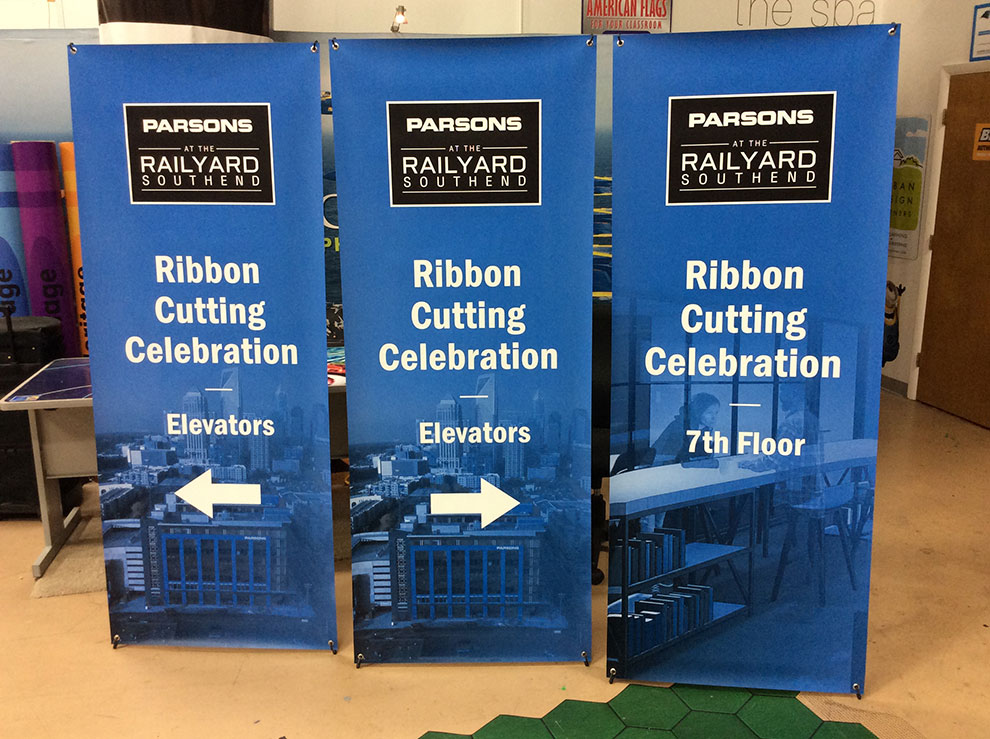
In today’s fast-paced work environments, offices and commercial spaces need more than just attractive interiors—they require clear and functional signage to guide employees, clients, and visitors. Directional signs play a crucial role in making workplaces easier to navigate, creating professional atmospheres, and strengthening branding strategies.
When implemented correctly, directional signage provides clarity, enhances experiences, and establishes a strong impression of the workplace. In Arlington, VA, where offices, government agencies, and businesses host diverse groups of people daily, directional signs must balance both functionality and design.
The Importance of Directional Signs in Offices
Directional signage in offices and workplaces goes beyond simply pointing someone to the restroom or the conference room. It forms part of the broader communication system within the building, ensuring that people feel confident and comfortable navigating the environment.
Improving Navigation Efficiency
Workplaces in Arlington, VA, often see a mix of clients, employees, and partners moving through lobbies, hallways, and meeting areas. Directional signs eliminate confusion by offering simple, easy-to-read guidance, ensuring people reach their destinations without delay.
Enhancing the Professional Image
An office that uses well-designed directional signage conveys order and professionalism. Clean, branded, and visually consistent signs reinforce the organization’s identity and contribute to a polished workplace environment.
Supporting Accessibility
Effective directional signs also consider accessibility. ADA-compliant signs, for example, ensure that individuals with disabilities can navigate spaces confidently. This not only meets legal requirements but also demonstrates inclusivity and care for all visitors.
Elements That Make Directional Signs Effective
Not all directional signs achieve their purpose equally. The effectiveness of signage depends on several design, placement, and branding factors that determine how well it communicates with its audience.
Clear and Concise Messaging
The language on directional signs should be short, direct, and easy to understand. Simple terms like “Conference Room,” “Reception,” or “Restrooms” avoid confusion and help people navigate quickly.
Strategic Placement
Even the most beautifully designed signs will fail if they are not placed correctly. Directional signage should be located at decision points—hallways, staircases, elevator exits, and building entrances. Proper placement ensures people encounter guidance exactly when they need it.
Consistent Branding
Branding shouldn’t stop at logos or office décor—it should extend to directional signage as well. Consistent fonts, colors, and visual elements create cohesion within the workplace and reinforce the organization’s brand identity.
Readability and Visibility
Legibility is a critical factor. Directional signs must use appropriate font sizes, high contrast colors, and intuitive symbols. A visitor should be able to glance at a sign and understand its meaning instantly, even from a distance.
The Role of Directional Signs in Branding Workplace Interiors
Branding in offices is not limited to wall art or reception displays. Directional signs serve as subtle yet impactful tools for reinforcing company culture and values.
Creating a Unified Visual Identity
When directional signs align with the overall design and branding of the office, they contribute to a unified aesthetic. This integration ensures that every element of the interior design—whether decorative or functional—works together cohesively.
Strengthening Visitor Impressions
Clients and visitors often notice how easy or difficult it is to navigate a space. Clear, attractive directional signage leaves a lasting positive impression, reinforcing the organization’s professionalism and attention to detail.
Supporting Employee Productivity
Employees benefit from well-designed directional systems, particularly in large workplaces or multi-level office complexes. By reducing confusion and wasted time, signage contributes to a more efficient and productive environment.
Applications of Directional Signs in Arlington Workplaces
Directional signage can be adapted to suit various areas of the workplace. Each location requires a unique approach to ensure the signage remains both practical and aesthetically aligned with the environment.
Lobby and Reception Areas
The first point of contact for many visitors, lobbies require prominent and welcoming directional signage. Signs here often guide people toward reception desks, elevators, and meeting rooms.
Hallways and Common Areas
Long hallways and shared spaces can be challenging to navigate. Directional signs placed strategically along walls or hanging from ceilings provide clarity and prevent visitors from feeling lost.
Conference Rooms and Meeting Spaces
Meeting areas often require specialized signage for clear identification. Branded directional signs pointing toward these rooms reinforce organizational identity while ensuring efficient navigation.
Restrooms and Utility Spaces
Although basic, restroom and utility directional signs are essential. Their design can still reflect the branding of the workplace while maintaining universal readability.
Customization Options for Directional Signs
Every workplace has unique requirements, which is why customization is key to effective signage. Offices in Arlington often rely on tailored solutions that reflect their brand and operational needs.
Material Selection
From acrylic and metal to wood and vinyl, the choice of materials affects both durability and appearance. Premium finishes can enhance the professional atmosphere of high-end offices.
Lighting Enhancements
Illuminated directional signs increase visibility, particularly in dimly lit areas such as hallways or parking garages. Backlit and LED-enhanced designs also add a modern, sophisticated touch.
Working with a Professional Sign Company
Designing and implementing effective directional signage requires expertise. Partnering with a reliable Sign Company Arlington VA ensures that businesses receive signage that is both visually appealing and functional. Professionals can handle everything from design and production to installation, ensuring consistency with branding and compliance with local regulations.
Why Directional Signs Matter in Arlington VA
In a competitive business environment like Arlington, VA, details matter. Directional signage may seem simple, but it has the power to transform the workplace experience. From enhancing navigation to reinforcing brand identity, well-designed signs contribute to an environment that feels organized, professional, and welcoming.
Building Confidence in Workplace Interiors
Visitors who can easily find their way around feel more comfortable and confident. Employees also benefit from reduced distractions and increased productivity. Effective directional signage demonstrates foresight and attention to detail, both of which are critical in business settings.
Connecting Branding with Functionality
Unlike purely decorative elements, directional signage bridges branding with functionality. By combining clarity with design, businesses can strengthen their brand presence without sacrificing practicality.
Conclusion
Directional signage is an essential part of any workplace environment in Arlington, VA. When thoughtfully designed and strategically placed, it enhances navigation, supports branding, and creates a professional atmosphere that benefits employees, clients, and visitors alike.
Organizations that want to elevate their interiors and streamline navigation should consider customized Directional Signs Arlington VA. By integrating branding, functionality, and professional design, these signs transform offices into efficient, welcoming, and memorable spaces.